Healthy Snacks: Chocolate
“Commonly referred to as the “Food of the Gods” in Aztec culture, the raw cacao bean is known as an ancient superfood once reserved for the royal elite. In the ancient world, cacao was a form of currency and the mystique of this plant has been exceptionally well documented since the beginning of the written word.”
Vosges Haut Chocolate/wellness
Chocolate is on the list of foods with a number of health benefits so long as there isn’t too much sugar in it.
“It’s the cacao in chocolate that provides its health benefits—as well as its unique taste. A single ounce of dark chocolate (70 to 85% cacao content) provides 42% of the iron, 56% of the copper, 24% of the manganese and 15% of the magnesium you need daily. It also contains flavanols, antioxidants and healthy fats.”
“1. Iron helps your body produce healthy blood cells.
“2. Copper helps keep your nerve cells functioning properly.
“3. Manganese helps metabolize (break down, absorb and use) the carbohydrates, fats and proteins you eat and helps you develop connective tissue.
“4. Magnesium enables you to maintain a healthy blood pressure and helps your muscles contract properly.
“5. Flavanols can help lower blood pressure. They encourage your body to produce nitric oxide, which helps your blood vessels relax, so your blood pressure gets lower. They may also help protect your skin from sun damage.
“6. Antioxidants help keep your cells healthy. And a study published in Chemistry Central Journal found that cacao tops blueberries, cranberries and pomegranate in the amount of antioxidants it contains.
“7. Healthy fats, including oleic acid—also found in olive oil—stearic acid and palmitic acid, can help lower your cholesterol and your risk of heart disease.”
7 Ways A Little Bit of Chocolate Can Boost Your Health by Stephanie Thurrott
“Cacao products stand out for their disease-fighting plant compounds, easily absorbed iron and relaxation-promoting tryptophan.”
Cacao vs Cocoa: What’s the difference?
“Some of the most important parts of the cacao bean used to make chocolate are responsible for beneficial antioxidants and polyphenols, which protect the body’s tissues against oxidative stress and associated pathologies. Flavonoids in chocolate help your body function more efficiently while protecting it against everyday toxins and stressors. Theobromine, which has a similar structure to caffeine, the difference being that instead of a nervous system stimulant like coffee, it dilates the cardiovascular system. This results in the opening up of the blood vessels and a sense of alertness and relaxation at the same time. But once chocolate goes from bean to chocolate bar or it is made into gourmet chocolate truffles, there are differences in the amount of these nutrients that remain in the chocolate and maybe, more importantly, different ratios of cacao to sugar content that impact the healthful benefits of the chocolate. The natural cacao bean that is used in a pure form of chocolate (without the added sugars) has proven to have many added benefits for your mental and physical health.”
Chocolate is Good for You. #Truth. Vosges Haut Chocolate
Normally when you are eating chocolate for its beneficial nutrients, you want to stick with plain (70% or greater cocoa content) chocolate, and only have an ounce or two. This is the list of ingredients in a Hershey’s bar: sugar, milk, chocolate, cocoa butter, milk fat, lecithin (soy), PGPR, and natural flavor. The bad probably outweighs the good in these bars. The first ingredient needs to the the chocolate and then the minimal amount of the rest. If the bar has a filling, it may be that the “70% cacao” labeling is only referring to the chocolate coating. You will need to judge the amount of sugar in the bar when you taste it. Generally European chocolate, along with all European desserts, is less sweet than American.
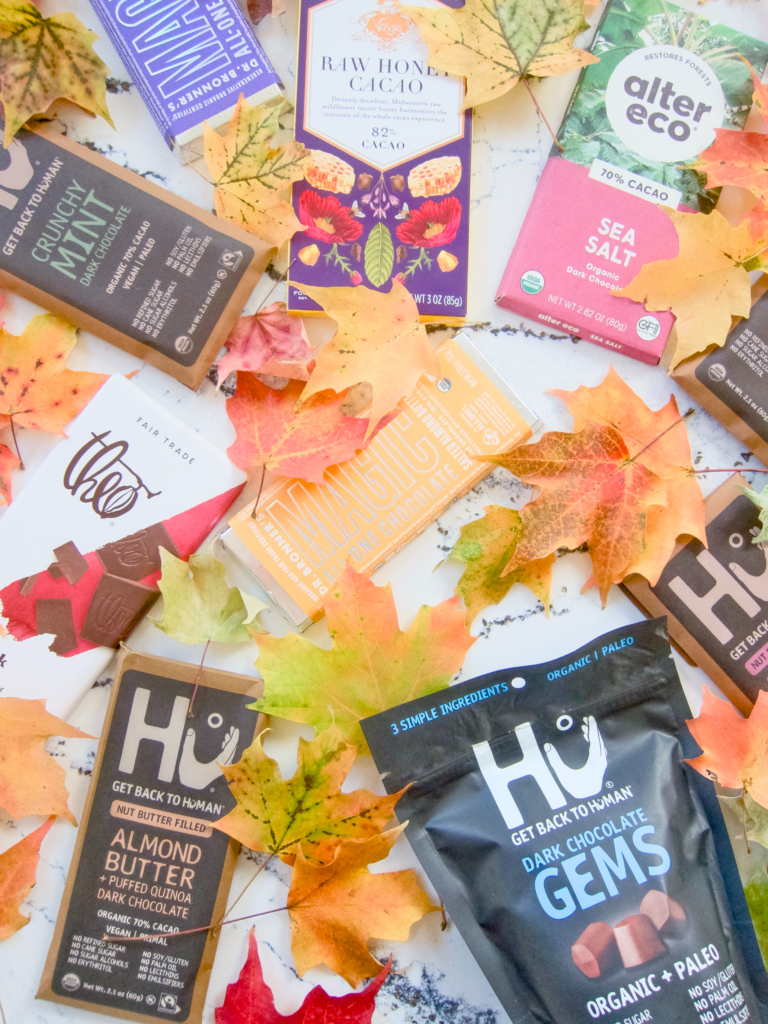
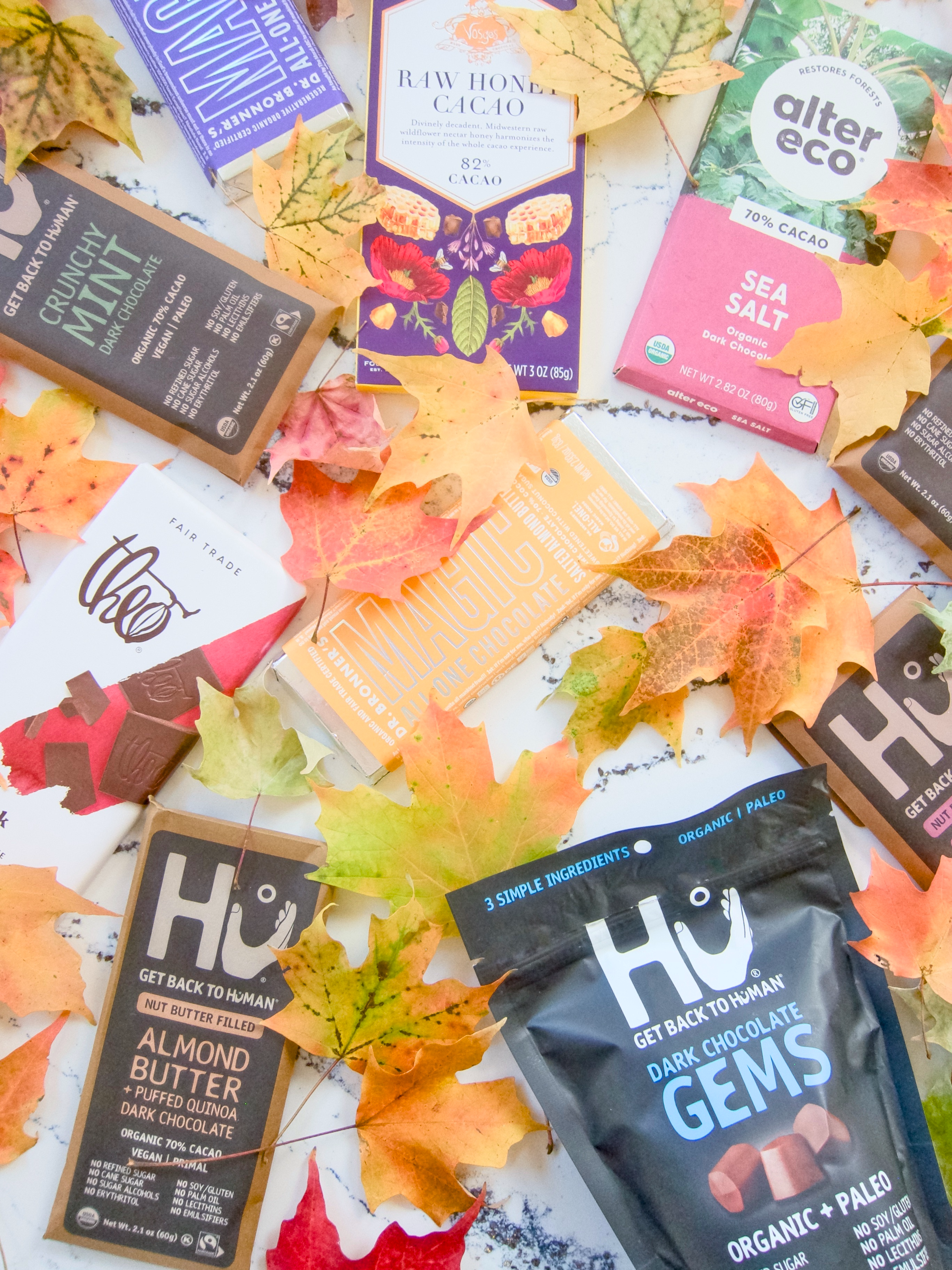
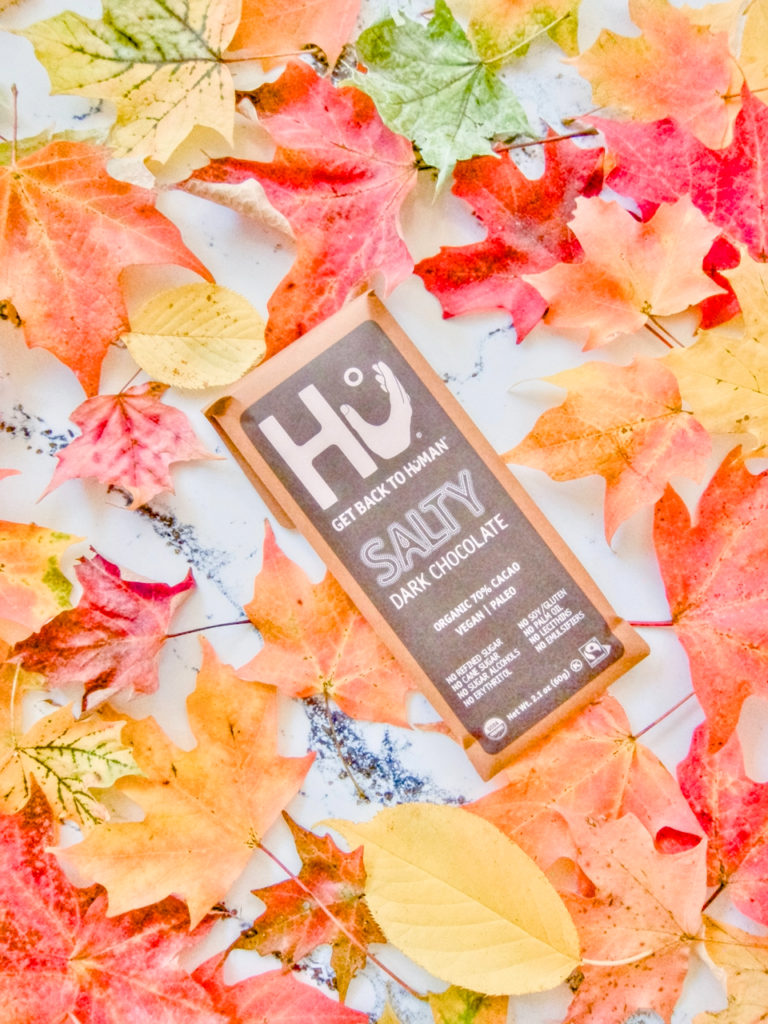
Most grocery stores including Walmart and Target are now carrying a variety of chocolate bars made with simple ingredients with no lecithin or milk. These include Hu Products’ chocolate bars that are sweetened with coconut sugar.
Ingredients: 70% organic cacao, organic unrefined coconut sugar, organic almond butter, organic cocoa butter, sea salt
Made in Italy
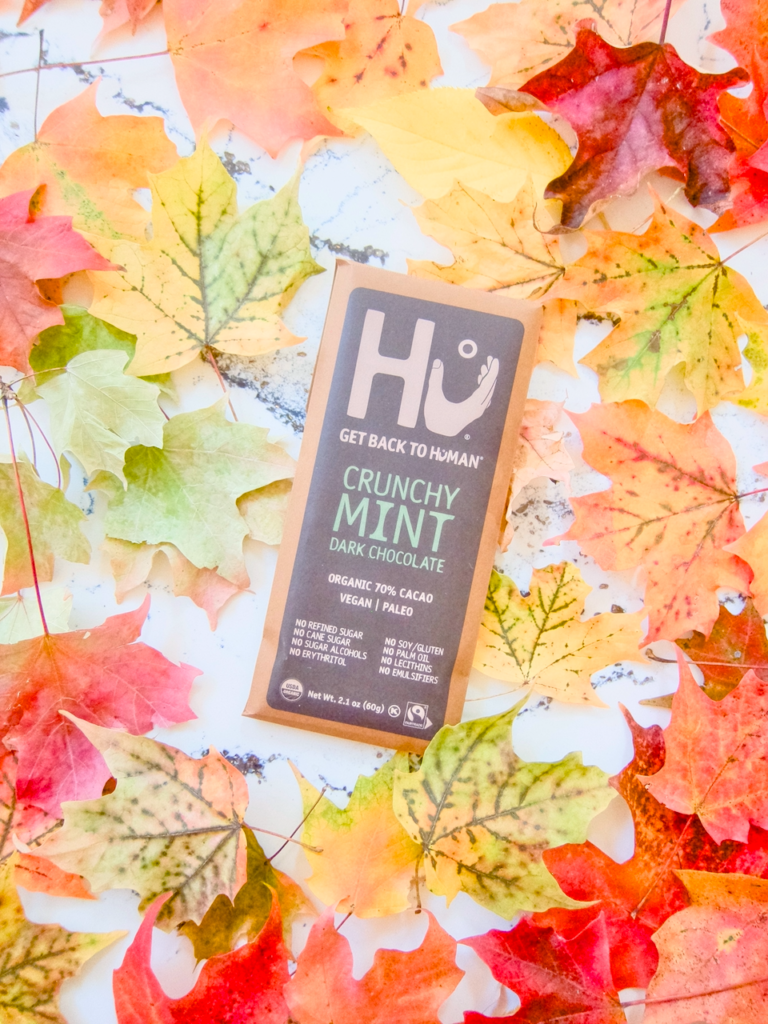
Ingredients: 70% organic cacao, organic unrefined coconut sugar, organic cocoa butter, organic cacao nibs, organic peppermint oil
Made in Italy
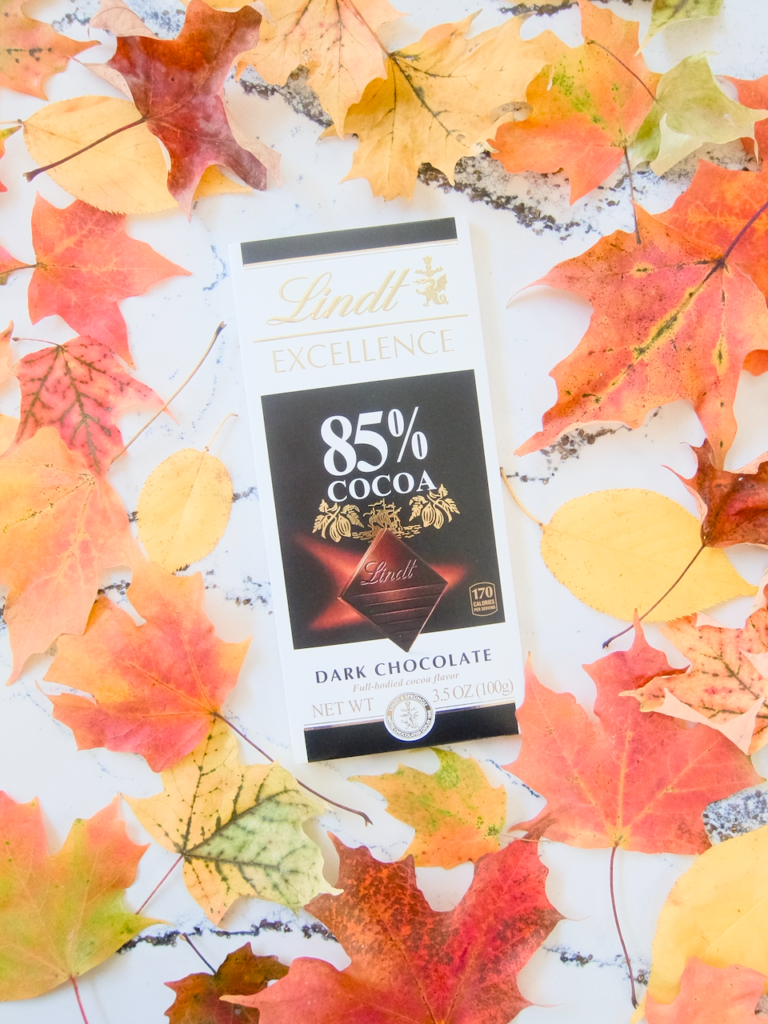
Ingredients: 85% chocolate cocoa powder, cocoa butter, demerara (minimally processed) sugar
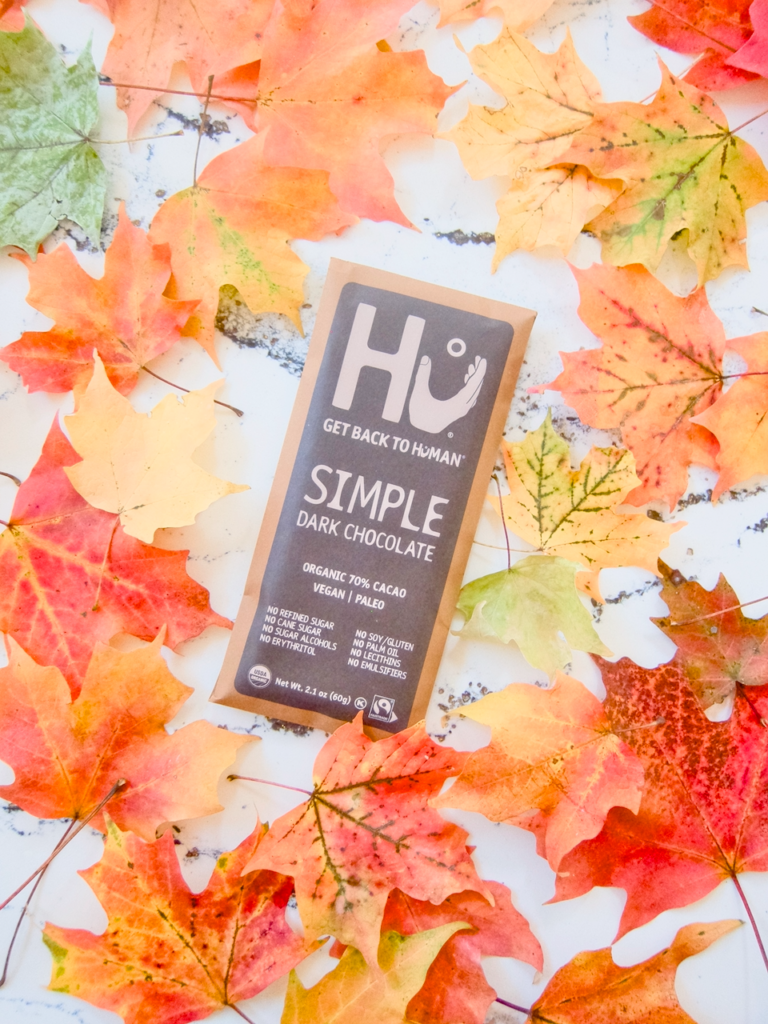
Ingredients: 70% organic cacao, organic unrefined coconut sugar, organic cocoa butter
Made in Italy
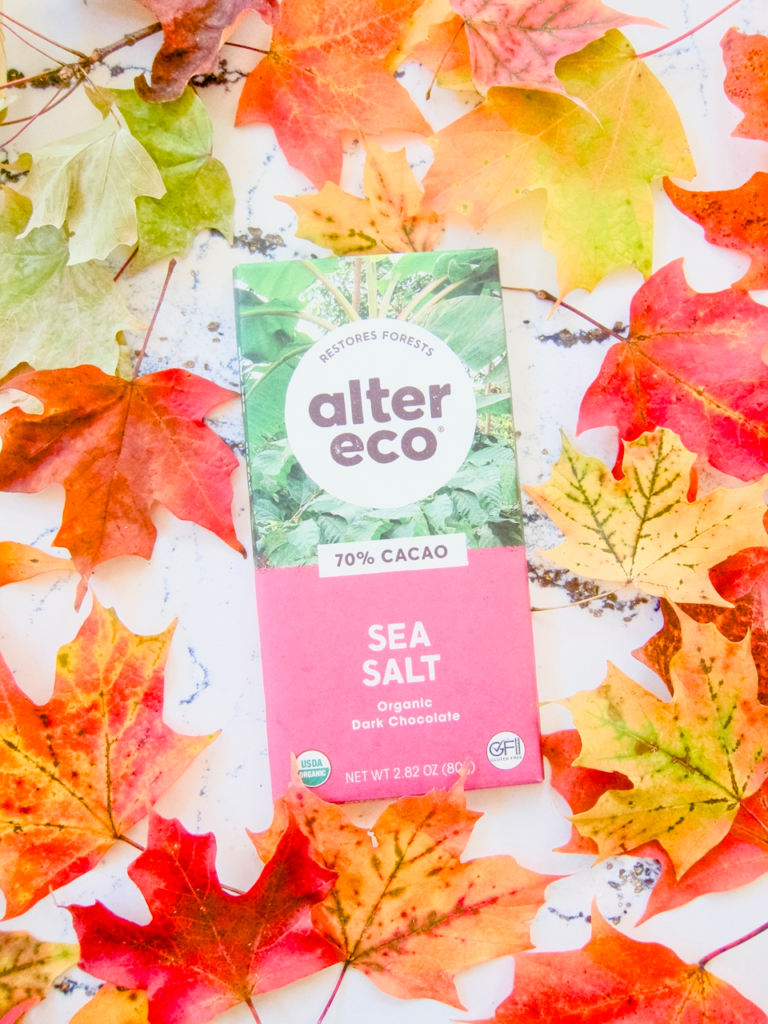
Ingredients: 70% organic cacao beans, organic raw cane sugar, organic cocoa butter, sea salt
Made in Switzerland
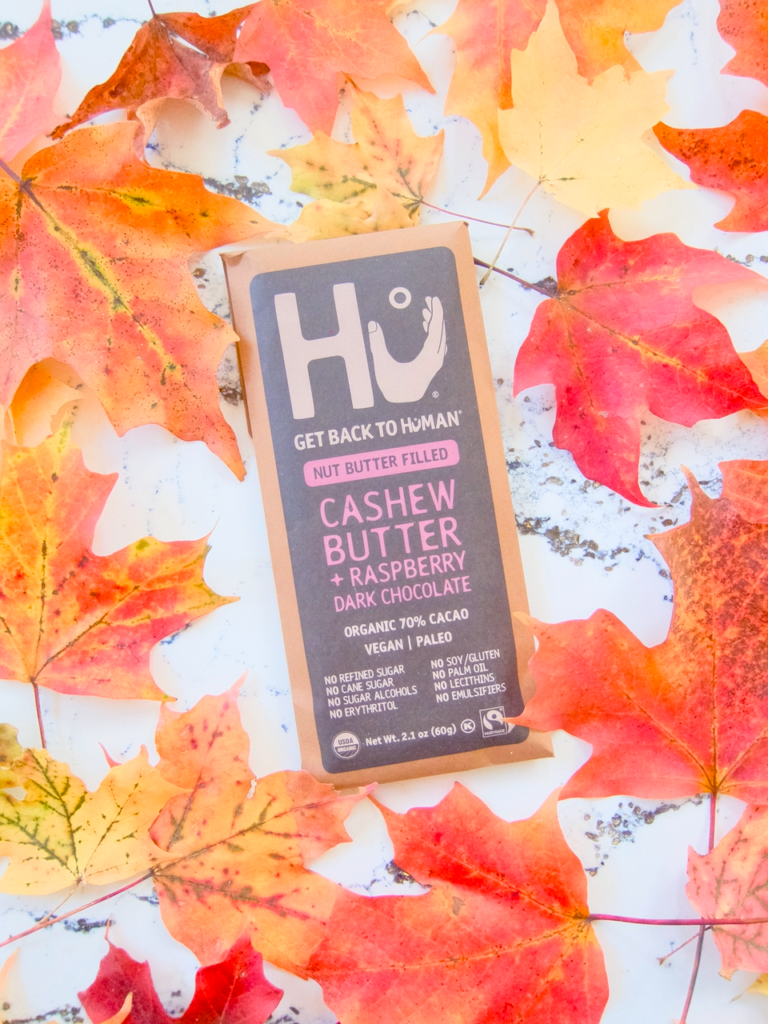
Ingredients: 70% organic cacao, organic unrefined coconut sugar, organic cashew butter, organic cocoa butter, organic raspberry
Made in Italy
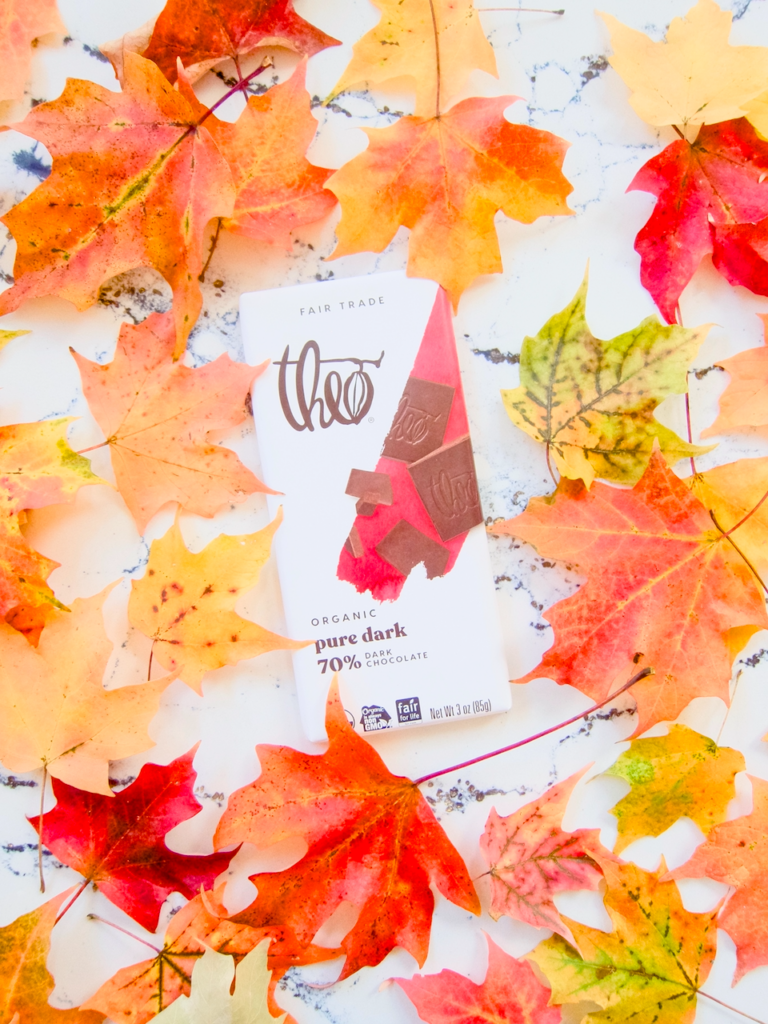
Ingredients: 70% cocoa beans, cane sugar, cocoa butter
Made in Canada
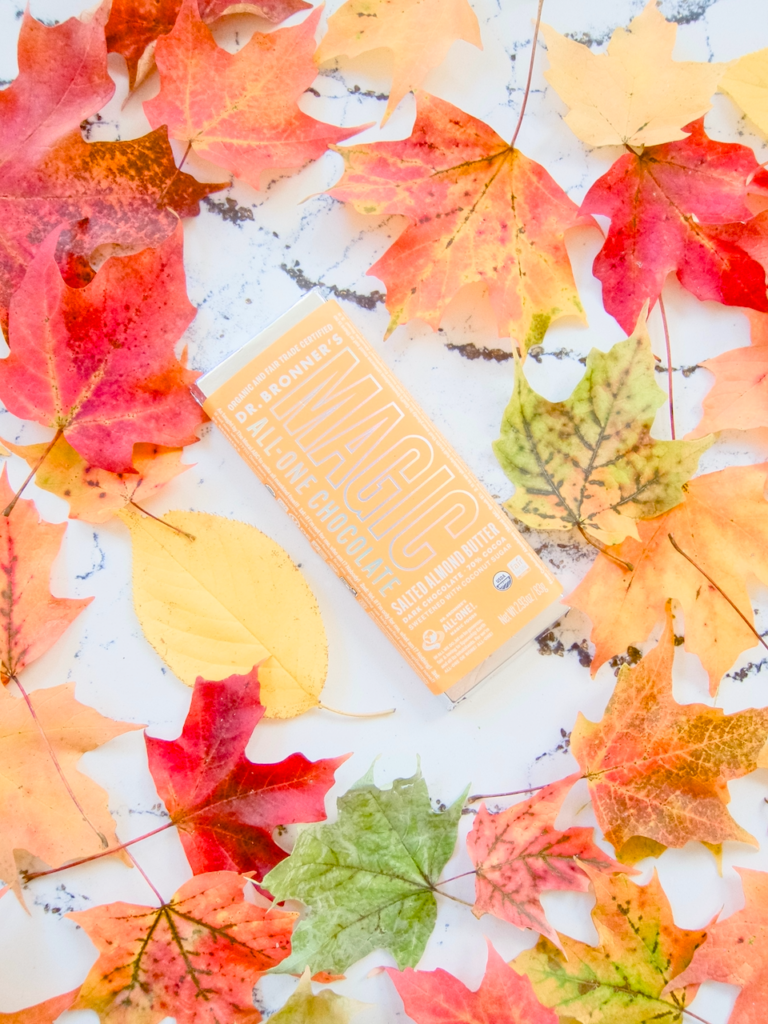
Ingredients: 70% organic cocoa beans, organic coconut sugar, organic almonds, organic cocoa butter, sea salt, organic hazelnuts, organic bourbon vanilla bean
Made in Switzerland
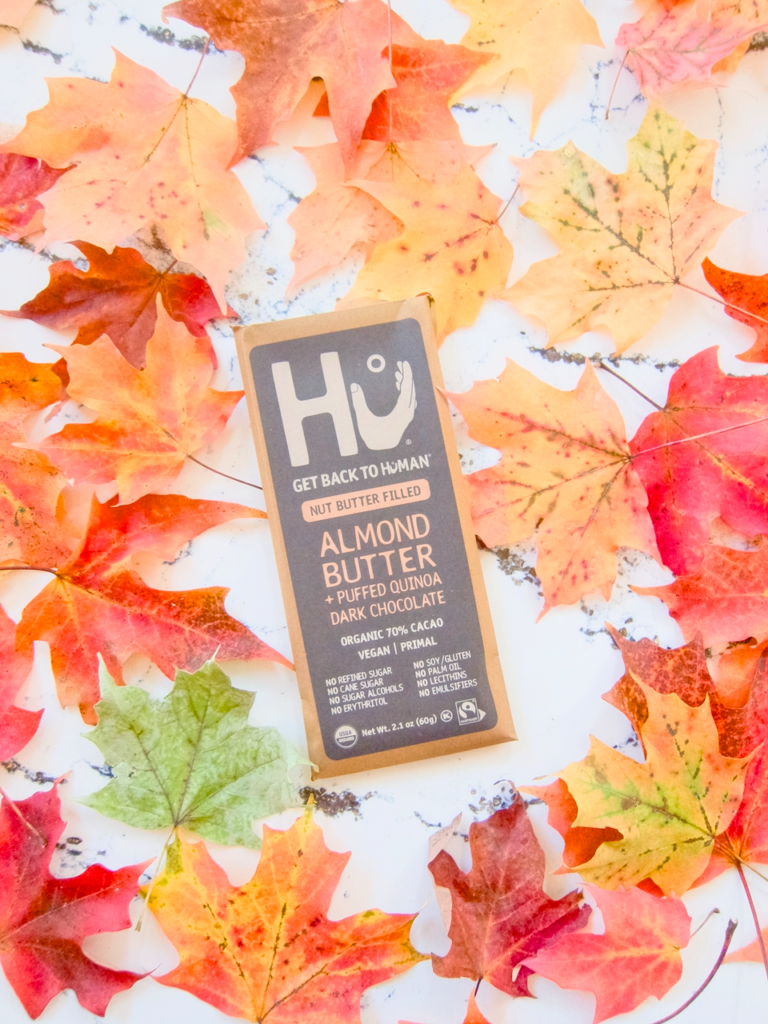
Ingredients: 70% organic cacao, organic unrefined coconut sugar, organic almond butter, organic cocoa butter, organic quinoa
Made in Italy
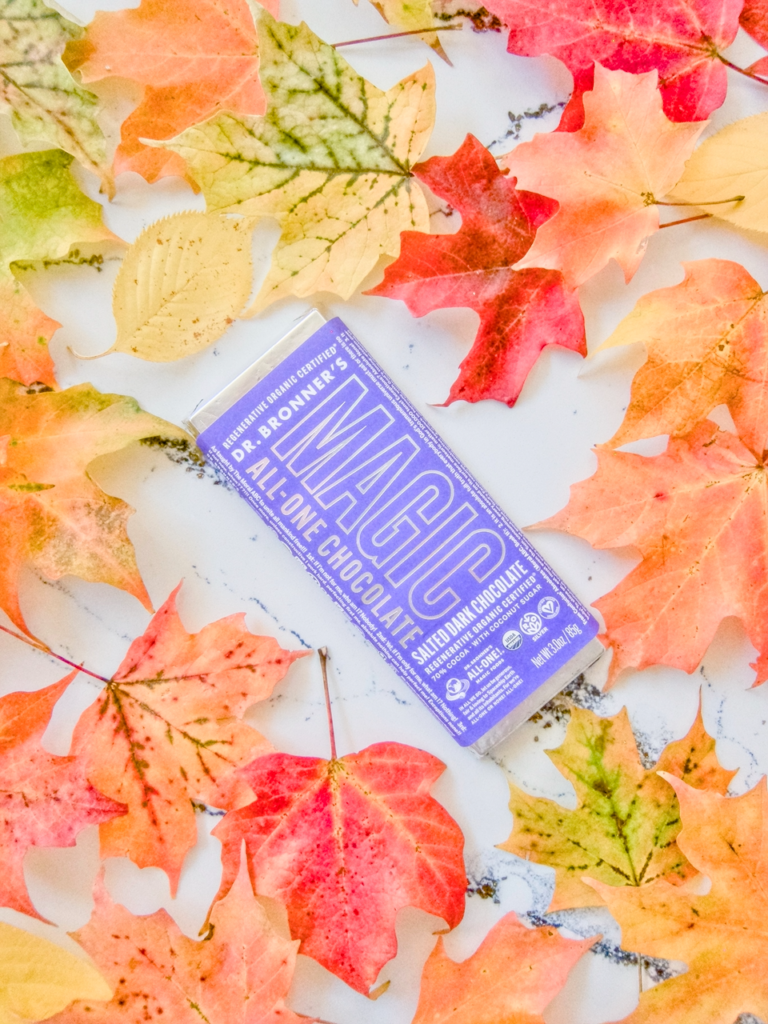
Ingredients: 70% organic cocoa beans, organic coconut sugar, organic cocoa butter, sea salt, organic bourbon vanilla bean
Made in Switzerland
dr.bronner.com
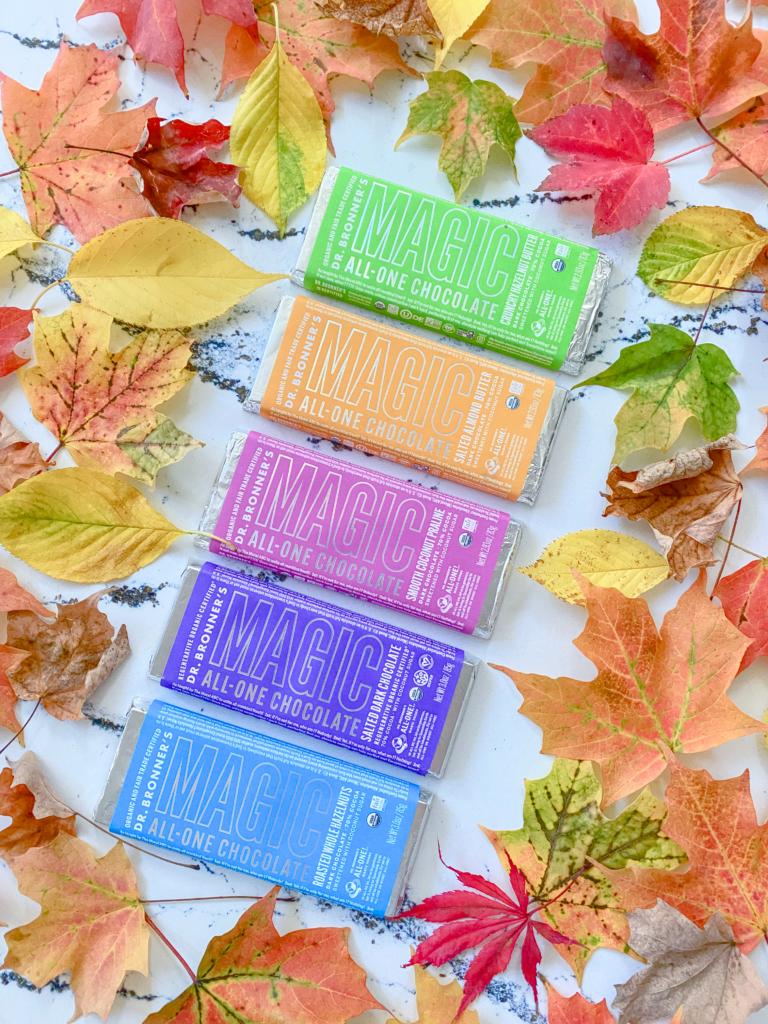
The coconut praline flavored Dr. Bronner’s bar says it’s 70% cocoa but it tastes very sweet to me. I’m thinking the chocolate part of the bar is 70% cocoa and the fillings are separate from this. I don’t recommend this one for health benefits.
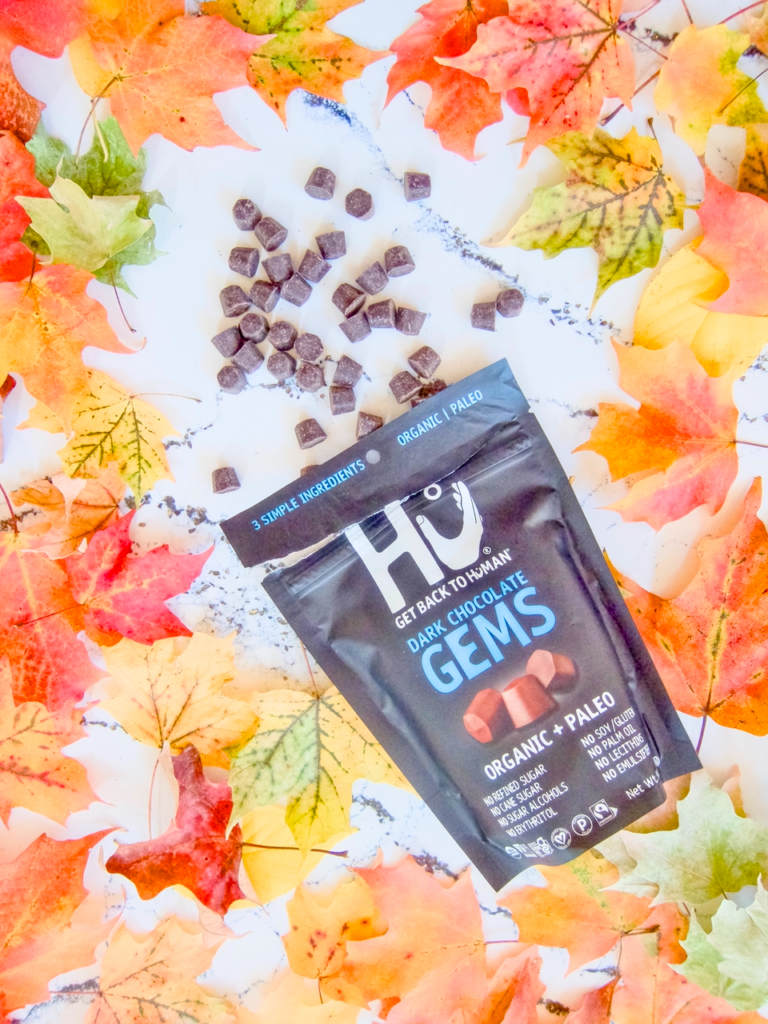
Ingredients: 70% organic cocoa beans, organic coconut sugar, organic cocoa butter

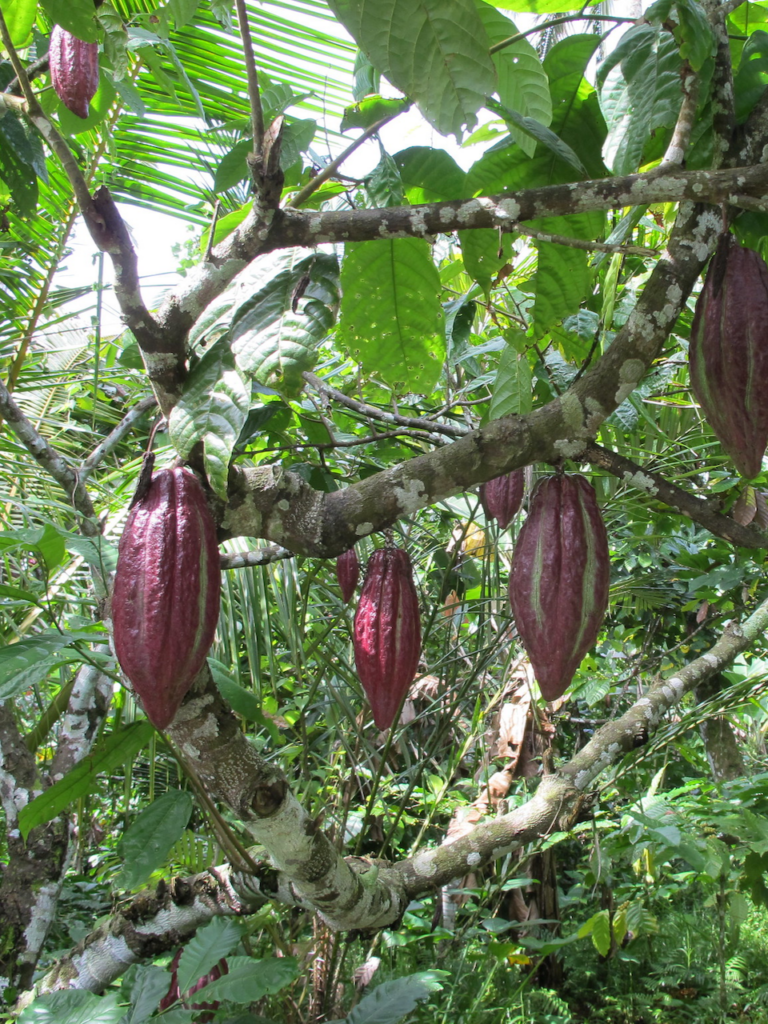
This is a picture of a cocoa tree with the fruit in Bali, Indonesia. Cocoa is made from the seeds (cocoa beans) inside the fruit.
Photo by Kars Alfrink on Flickr
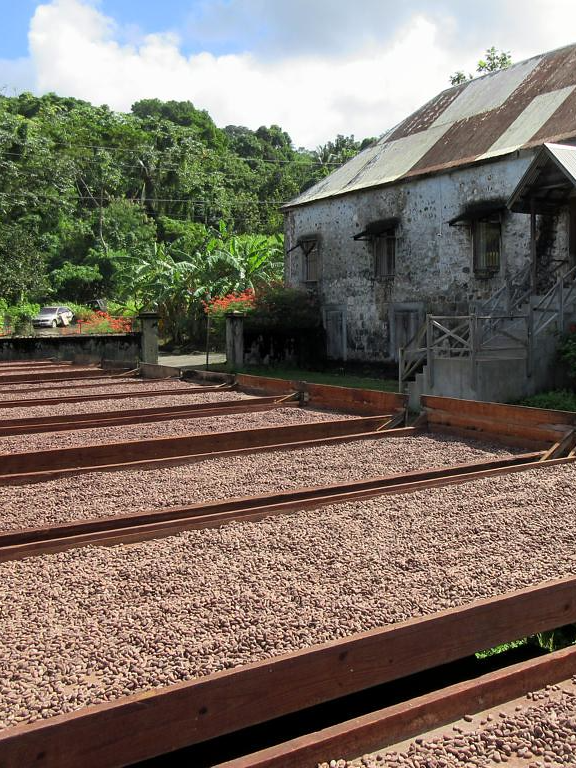
Cocoa beans drying at the Diamond Chocolate Factory at Victoria on Grenada, Eastern Caribbean
Photo by David Stanley on Flickr
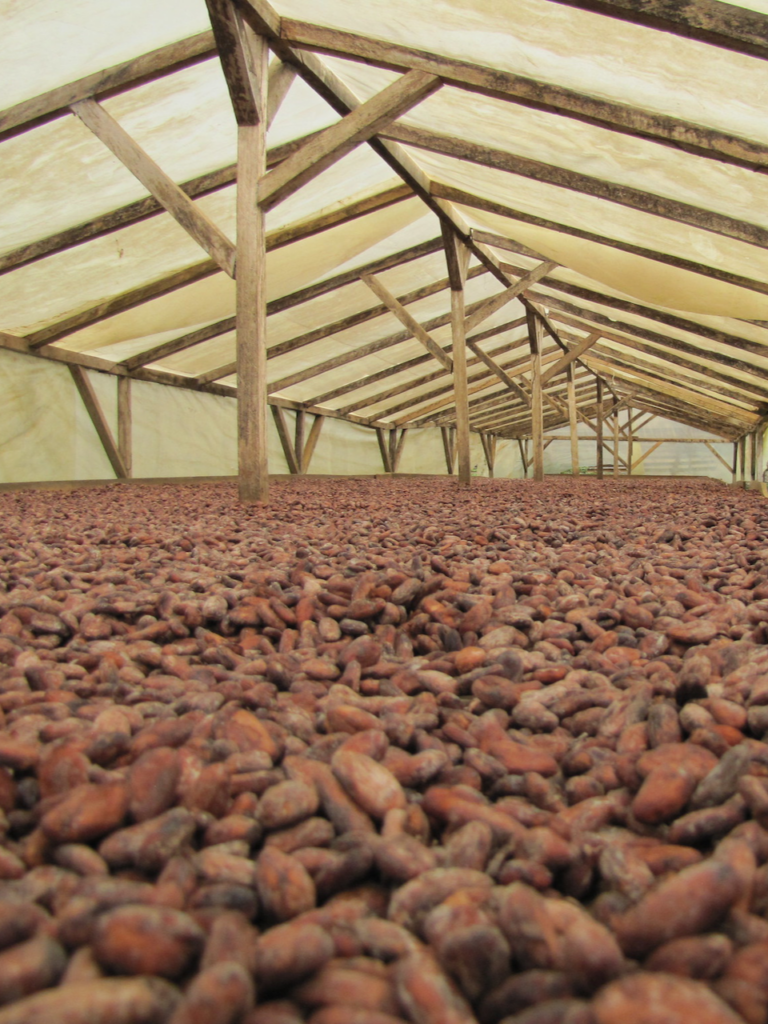
Cocoa beans drying in Monte Forte on Sao Tome Island off of Africa
Photo by Chuck Moravec on Flickr
It’s fall and the leaves are just starting to change color here in Virginia. I didn’t know why this happened until I was doing science homework with my grandson William. Apparently the days getting shorter means the leaves aren’t getting as much sunlight to make the green chlorophyl and so the green color starts to fade leaving all the other colors in the leaves and then they fall to the ground. I’ve done a lot of photography with fall leaves because the are so beautiful. I picked up these leaves during my morning walks this week.